

The Patriots are on their way to another Super Bowl. If this were ten years ago, it would be less of a surprise, but for each of the last two seasons, New England has won four games. With a new coach and a second-year quarterback, they were expected to improve, but nobody expected them to be back in the big game (no matter what they tell you).
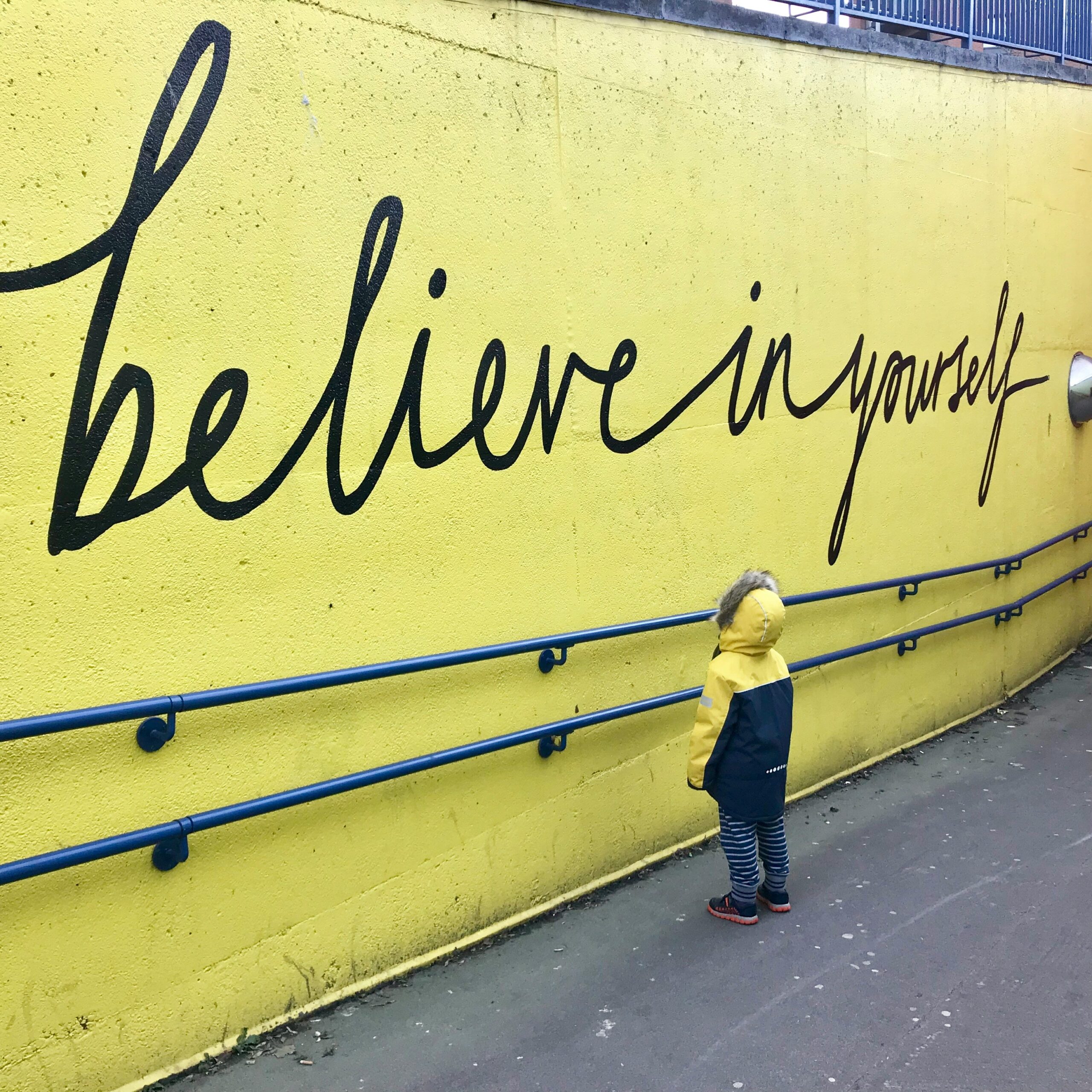
In the press conference after winning the AFC championship, Patriots head coach, Mike Vrabel was predictably asked how it felt, and he responded by saying, “Sometimes you have to believe things before you can see them.”
This goes against the common cliché that seeing is believing, one we use a lot in our working lives. We want proof of things before we do them. We want to know the risk, the numbers, the ROI. We want to be practical and efficient and businesslike. Which all makes sense. We do not have a lot of time, money (or frankly patience) to constantly try out new ideas that we have no way of knowing will be successful. It makes sense to go with what we know works. Seeing is believing and the numbers don’t lie.
Except it is not always that simple, is it?
The world of metrics is prevalent in business as it is in sports. We try to make the best decisions based on what the data tell us. But even in situations where we have a high probability of a favorable outcome, we do not always get that outcome. Plays that should work often do not. Teams that should win often do not. The odds do not always work out as predicted. (Just ask anyone who thinks they can beat the line or the house.)
When we are hiring someone new, we want to do everything we can to choose the best candidate. Which is the smart thing to do, of course. But even when we do all the right things and implement all the best practices, sometimes it just does not work out. Which does not mean we shouldn’t do all the right things and implement all the best practices. It just means that there is never going to be a perfect way. There is always going to be a human element to everything that we do.
Sometimes we need to believe things before we can see them. Of course, we cannot simply go with our gut on every decision- hiring or otherwise- as this lends itself to all types of poor decision-making that includes, among many other damaging results, discriminatory practices. But when we have done our due diligence, there are many cases in which we are left having to decide what the numbers cannot help us with. We have a number of great candidates, and we must choose one. How can we truly distinguish? Further, how much can we truly know during an interview process?
When it comes to promoting staff, we have the added benefit of knowing the people and their work much more intimately than during a hiring process, but we do not yet know them as their future role. This, again, requires a level of believing before seeing. In addition to all the numbers and all the objective criteria, what are we able to believe before we can see it? Further, what are we able to do to help our staff believe before they can see it?
Too often leadership development falls short because it is restricted to those that already-established leaders deem worthy of receiving it. This inherently is informed by biases and has damaging consequences. An important role for any leader is to be open to offering leadership development to those who need to know that others believe in them, allowing them to believe in themselves before actually seeing themselves in those kinds of roles. Without first believing they can inhabit them while also knowing others with the power to help them inhabit them also believe they can, they have no chance to see themselves in such roles. The belief in one necessarily helps grow the belief in the other.
This way of thinking holds true for ideas too. We always have the benefit of knowing what ideas have worked out in the past, but when it comes to new ideas, we are much more hesitant because we just do not and cannot know. Taking risks is scary, and depending on the risk, it can have significant consequences. Believing in ideas before seeing them can achieve great things, but it can also cause great harm. Knowing which is which is impossible in the moment, only in hindsight. Coach Vrabel was able to say what he said as the winning coach of the game, but he had that same belief whether he won or not.
Leadership requires making decisions with unknown results. This is true even with decisions that have seemingly predictable results. All the data in the world can tell you that you have a probability of getting a certain outcome, but when humans are involved, you just never know. That does not mean you shouldn’t play the odds, of course. It is important to make the best decisions we can with the information we have. Research and data are foundational to operating efficiently and effectively, and it is important to recognize that nothing is ever guaranteed. This is part of what makes leadership so challenging and so human. If it were simply following a formula, it would not require any agency. Instead, it is so challenging and so important because there is always an element of believing in what we cannot see, whether that is an idea or a person’s potential. Often, it is about us and our own capability as leaders.
One of my favorite lyrics by the great Bob Dylan comes from Highlands:
“There’s a way to get there, and I’ll figure it out somehow
But I’m already there in my head, and that’s good enough for now.”
It is so easy to get bogged down in logistics, and logistics are absolutely important. But we are sometimes- often- too quick to let logistics get in the way. When a good idea comes along, when a potential great candidate comes along, our kneejerk reaction seems to always be, “But what about…?”
Of course, practicality is important. We all have budgets and deadlines and goals to consider. But as leaders, it is those very budgets and deadlines and goals we must consider as we think about those things we cannot quite see yet but that we believe. Our jobs are more than just looking at metrics and following the highest probability. Our role is to believe in things we cannot quite see yet and figure it out somehow…
(And GO PATS!!!)